
Exploring the psychology behind casino gaming strategies
The Allure of Gambling: Understanding the Psychology of Attraction
The world of casinos is not just about the games but also about the psychological appeal that draws people in. The carefully designed atmosphere, from the bright lights to the sound of coins clinking, creates an intoxicating environment that stimulates excitement and anticipation. This ambiance plays into the psychology of attraction, making players feel an irresistible urge to engage with offshore sportsbook games of chance. The thrill of the unknown—whether it’s the next spin of the wheel or the flip of a card—activates deep-seated emotional responses that can often lead to impulsive decisions.
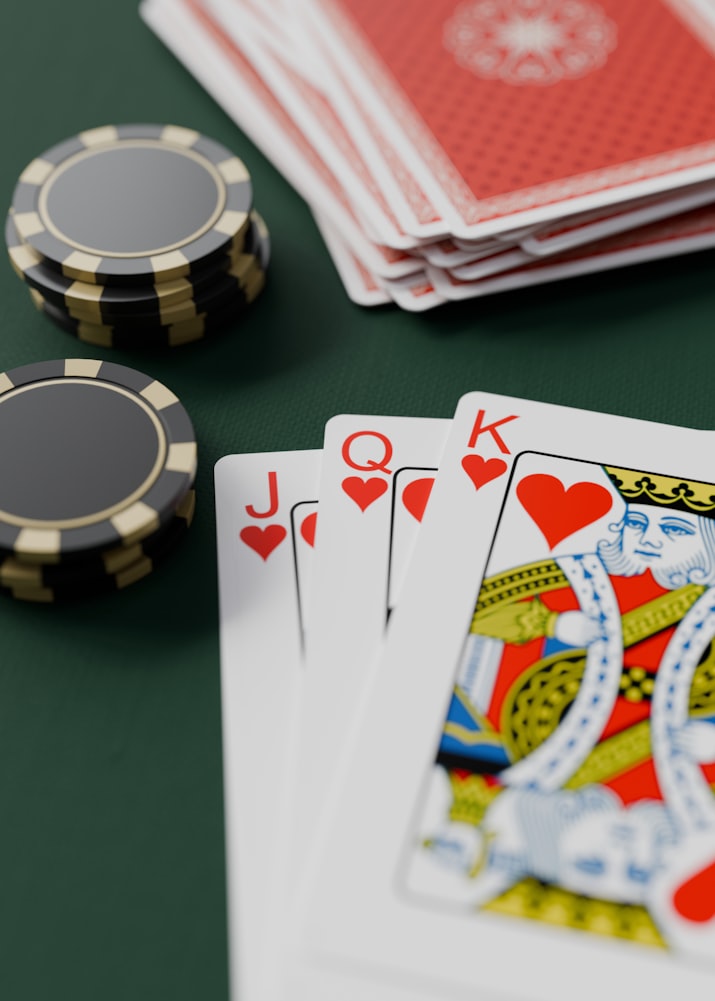
Furthermore, casinos utilize various psychological tactics to enhance this allure. For instance, free drinks and the absence of clocks encourage players to lose track of time and spend more money. The concept of ‘near misses’—where players come close to winning but ultimately lose—also keeps them engaged, fostering a sense of hope and the belief that victory is just around the corner. This combination of environmental cues and psychological strategies ensures that players remain captivated and compelled to play, often to the detriment of their financial well-being.
The Role of Decision-Making in Gaming Strategies
When it comes to casino gaming, decision-making processes can be profoundly influenced by a range of psychological factors. Gamblers often develop strategies based on cognitive biases, such as overconfidence—believing they can predict the outcome of a game based on previous experiences. This tendency can lead to erratic betting behaviors, where players escalate their wagers in hopes of recovering losses or capitalizing on perceived winning streaks. Such decisions can be detrimental; however, understanding this behavior is crucial for developing more rational gaming strategies. Unknown strategies can help minimize risks.
Moreover, the concept of ‘loss aversion’ plays a significant role in how players approach their bets. Many individuals feel the pain of losses more acutely than they experience the pleasure of wins. This psychological phenomenon can lead players to make conservative choices, opting to cling to their remaining funds rather than risk them in pursuit of larger rewards. By recognizing these decision-making tendencies, players can better navigate their gaming strategies, balancing the thrill of the game with a pragmatic approach to their finances.
Emotions and Their Impact on Gambling Behavior
Emotions can significantly influence gambling behavior, often overriding rational thought processes. When players are feeling particularly euphoric, they may engage in riskier behaviors, believing luck is on their side. Conversely, negative emotions such as frustration or sadness can lead to chasing losses, where individuals continue to gamble in hopes of redeeming themselves. These emotional states can cloud judgment and lead to a cycle of poor decision-making.
Moreover, understanding the connection between emotions and gambling can empower players to control their experiences. Techniques such as self-awareness and emotional regulation can help individuals manage their feelings while playing. By recognizing their mood and its influence on their gaming behavior, players can make more informed decisions and develop strategies that minimize the impact of emotional volatility on their gaming outcomes.
Cognitive Biases and Misconceptions in Casino Gaming
Cognitive biases are systematic patterns of deviation from norm or rationality in judgment, and they play a significant role in casino gaming strategies. One common misconception among gamblers is the ‘gambler’s fallacy,’ which leads players to believe that past events can influence future outcomes. For example, if a roulette wheel has landed on red several times in a row, some individuals may wrongly assume that black is now ‘due.’ This kind of thinking can lead to misguided strategies that do not take into account the independent nature of each game round.
Additionally, the illusion of control is another cognitive bias that can affect gambling decisions. Players may believe that their skills or actions can influence games of chance, leading to overestimation of their abilities. This illusion can fuel reckless betting and ultimately result in greater losses. Awareness of these biases is essential for developing effective gaming strategies, encouraging players to adopt a more analytical and evidence-based approach to their gaming experiences, rather than relying on flawed perceptions.

Enhancing Your Knowledge of Gambling Psychology
To truly understand the psychology behind casino gaming strategies, it’s important to delve into various resources that explore this fascinating subject. This website serves as an invaluable hub for anyone looking to enhance their knowledge about gambling psychology, offering expert insights and practical solutions for players of all levels. With a user-friendly interface, visitors can easily navigate through a wealth of information that covers everything from decision-making processes to cognitive biases in gaming.
By leveraging the resources available here, individuals can empower themselves to make more informed choices while gambling. The goal is to create a better understanding of the psychological elements at play in casino environments, ultimately leading to healthier gaming habits and improved decision-making strategies. Join us on this journey to uncover the depths of gambling psychology and transform your gaming experience for the better.