
Exploring the historical evolution of gambling From ancient rituals to modern casinos
Exploring the historical evolution of gambling From ancient rituals to modern casinos
The Origins of Gambling in Ancient Civilizations
The history of gambling dates back to ancient civilizations, where it served not only as a form of entertainment but also as a ritualistic practice. Archaeological evidence suggests that games of chance were played in ancient China, where tiles dating back to around 2,300 B.C. were discovered, believed to be used for a rudimentary game of chance. Similarly, ancient Greeks and Romans engaged in various forms of gambling, often incorporating it into social gatherings and public events, indicating its deep-rooted significance in their cultures. Today, many players are discovering the appeal of paysafe casinos for a secure online experience.

In these societies, gambling was often intertwined with mythology and spirituality. The Greeks utilized dice, known as “astragali,” which were sometimes associated with divine intervention. They believed that the outcomes of their games could be influenced by the gods, and thus, gambling was not merely a pastime but an integral aspect of religious and cultural practices. Romans, on the other hand, popularized betting on gladiatorial contests and chariot races, showcasing gambling’s evolution into a public spectacle that could draw large crowds and generate substantial revenue.
As civilizations expanded, so did the concept of gambling. It transformed into various forms, including lotteries and betting on events, reflecting the social dynamics of the time. Ancient Egyptians even incorporated gambling into their afterlife beliefs, using dice made from bones in tombs. Such historical examples illustrate how gambling has evolved alongside human culture, adapting to societal needs and beliefs, paving the way for its future developments.
The Middle Ages: Gambling as a Social Activity
During the Middle Ages, gambling underwent significant transformations influenced by societal changes and the rise of the feudal system. With the decline of the Roman Empire, gambling became a more localized activity, predominantly among the nobility. Card games began to emerge, with the first recorded playing cards appearing in Europe during the late 14th century. These games provided a new outlet for social interaction and competition among the elite, indicating a shift from public spectacles to more intimate gatherings.
In this era, gambling was often met with mixed responses from the Church and governing bodies, leading to various regulations. While some rulers sought to curb gambling due to its association with moral decay, others recognized its potential for taxation and regulation. This period saw the establishment of the first gaming houses, which catered to the wealthy, further entrenching gambling within the fabric of society as a leisure activity for the upper classes.
The emergence of gambling in taverns and social clubs during the Middle Ages paved the way for a more democratized approach to the activity. As card games gained popularity, they began to attract a broader audience, laying the groundwork for the future of gambling as a universal pastime. This evolution reflected a growing acceptance of gambling within society, setting the stage for the dynamic developments that would follow in later centuries.
The Rise of Modern Gambling in the 19th Century
The 19th century marked a turning point in the evolution of gambling, characterized by the establishment of organized gaming houses and the proliferation of casinos. The first official casino, the Casino di Venezia, opened in 1638, but it was during the 19th century that the concept of casinos gained widespread popularity, particularly in Europe and the United States. This period saw the introduction of new games, such as poker and roulette, which became staples in casinos and transformed the gambling landscape.
As gambling became more mainstream, it also attracted a diverse range of participants. The Gold Rush era in America led to a surge in gambling activities as prospectors sought fortune in the West. Saloon owners capitalized on this by offering gambling as an additional form of entertainment, which contributed to the creation of the iconic Wild West gambling culture. This era was marked by legends of notorious gamblers and the establishment of gambling as a key component of American folklore.
The Industrial Revolution further propelled the growth of gambling, with urbanization leading to the rise of larger, more elaborate gaming establishments. The emergence of legal regulations aimed at controlling gambling activities also began during this time, as governments recognized the need to regulate the burgeoning industry. This combination of societal acceptance and legal frameworks set the stage for the modern casino era, where gambling became a major economic force and an essential aspect of entertainment culture.
The Casino Boom and Online Gambling in the 20th Century
The 20th century witnessed unprecedented growth in the gambling industry, particularly with the rise of Las Vegas as a gambling mecca. The legalization of gambling in Nevada in 1931 transformed the state into a hub for casinos, attracting tourists from across the globe. These establishments featured extravagant designs, lavish amenities, and a wide array of gaming options, solidifying Las Vegas’s reputation as the entertainment capital of the world.
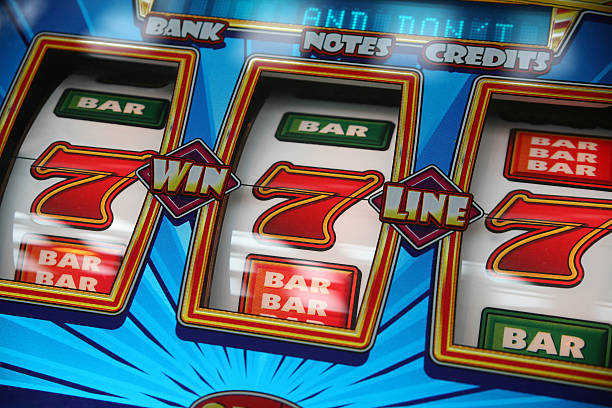
The post-World War II era brought about a cultural shift, with gambling becoming more acceptable across various segments of society. As casinos flourished, so did innovations in gaming technology, leading to the introduction of slot machines and electronic gaming devices. This era also saw the birth of state lotteries, providing additional channels for gambling and generating significant revenue for public programs.
As the century progressed, the advent of the internet revolutionized the gambling landscape. Online casinos emerged in the late 1990s, offering unprecedented access to a variety of games from the comfort of home. This digital shift not only expanded the audience for gambling but also raised concerns regarding regulation and responsible gambling practices. The rise of mobile gambling further changed the dynamics, making it easier for players to engage in gambling activities anytime, anywhere, marking a new chapter in the history of gambling.
The Future of Gambling: Trends and Innovations
As we enter the 21st century, the evolution of gambling continues to adapt to technological advancements and changing societal attitudes. Online gambling has become increasingly mainstream, with a growing number of players opting for digital platforms over traditional casinos. Innovations such as virtual reality and live dealer games are reshaping the gaming experience, providing players with immersive environments that replicate the thrill of being in a physical casino.
Moreover, the rise of cryptocurrencies has begun to influence gambling transactions, offering anonymity and security for players. Many online casinos are now accepting digital currencies, reflecting a broader trend toward modernization and digitalization in the industry. This shift poses both opportunities and challenges, as operators must navigate regulatory landscapes while appealing to a tech-savvy audience.
As gambling continues to evolve, the focus on responsible gambling and player protection is becoming paramount. Operators are increasingly implementing measures to ensure player safety, offering tools for self-exclusion and promoting awareness around gambling addiction. As the industry progresses, balancing innovation with ethical considerations will be crucial to sustaining its growth and maintaining public trust.
Exploring Paysafe Casinos: A Reliable Choice for Players
Paysafe casinos have emerged as a reliable option for players seeking a secure and user-friendly gambling experience. These online casinos allow users to deposit funds without sharing sensitive bank details, offering an additional layer of privacy. This has particularly appealed to newcomers who may be hesitant about online transactions, ensuring a safer environment for engaging in online gambling. Many people are grateful for options like paysafe casinos nz as part of their gaming journey.
The platform offers comprehensive reviews and ratings of various casinos based on safety, game quality, and customer service. This helps players identify trustworthy sites tailored to their preferences. With a focus on user experience, Paysafe casinos provide access to games from top providers, ensuring that both new and experienced players can enjoy a diverse range of options.
As the online gambling landscape continues to evolve, players can benefit from the advancements in technology and security offered by Paysafe casinos. By facilitating secure deposits and focusing on customer satisfaction, these platforms are well-positioned to cater to the growing demands of the gambling community, ensuring a fun and safe gaming experience for everyone.